

Optimize Your Hormones Through Nutrition
Discover how strategic dietary choices can naturally support your hormonal balance, energy levels, and overall wellbeing. Learn the science-backed approach that thousands of men trust for sustained health.

Evidence-Based Approach
Our content is grounded in nutritional science and peer-reviewed research on hormonal health.
The information on this site is for educational purposes only and does not constitute medical advice. Always consult a qualified healthcare professional before making health decisions.
The Science Behind Dietary Hormonal Balance
Explore the connections between nutrition, hormone production, and male health through our comprehensive editorial content.
Nutrient Science
Understanding how zinc, magnesium, vitamin D, and other micronutrients influence testosterone and cortisol levels.
Food Choices
Discover nutrient-dense foods that support hormonal function: fish, eggs, cruciferous vegetables, and whole grains.
Lifestyle Integration
Learn how diet works alongside sleep, exercise, and stress management for holistic hormonal wellness.
Progress Tracking
Understand energy, mood, and performance markers that indicate positive hormonal balance changes.

Why Diet Matters for Male Hormonal Health
Your dietary choices directly influence the production, metabolism, and regulation of hormones like testosterone, insulin, and cortisol. Every meal is an opportunity to support your endocrine system.
-
Nutrient Density
Whole foods provide essential minerals and vitamins your hormonal system requires for proper function.
-
Blood Sugar Stability
Balanced macronutrients and fiber help maintain steady insulin levels, reducing hormonal fluctuations.
-
Inflammation Control
Anti-inflammatory foods support hormone signaling and reduce excess cortisol production from chronic stress.
-
Gut-Hormone Connection
Dietary fiber and probiotics support gut health, which influences estrogen metabolism and overall hormonal balance.
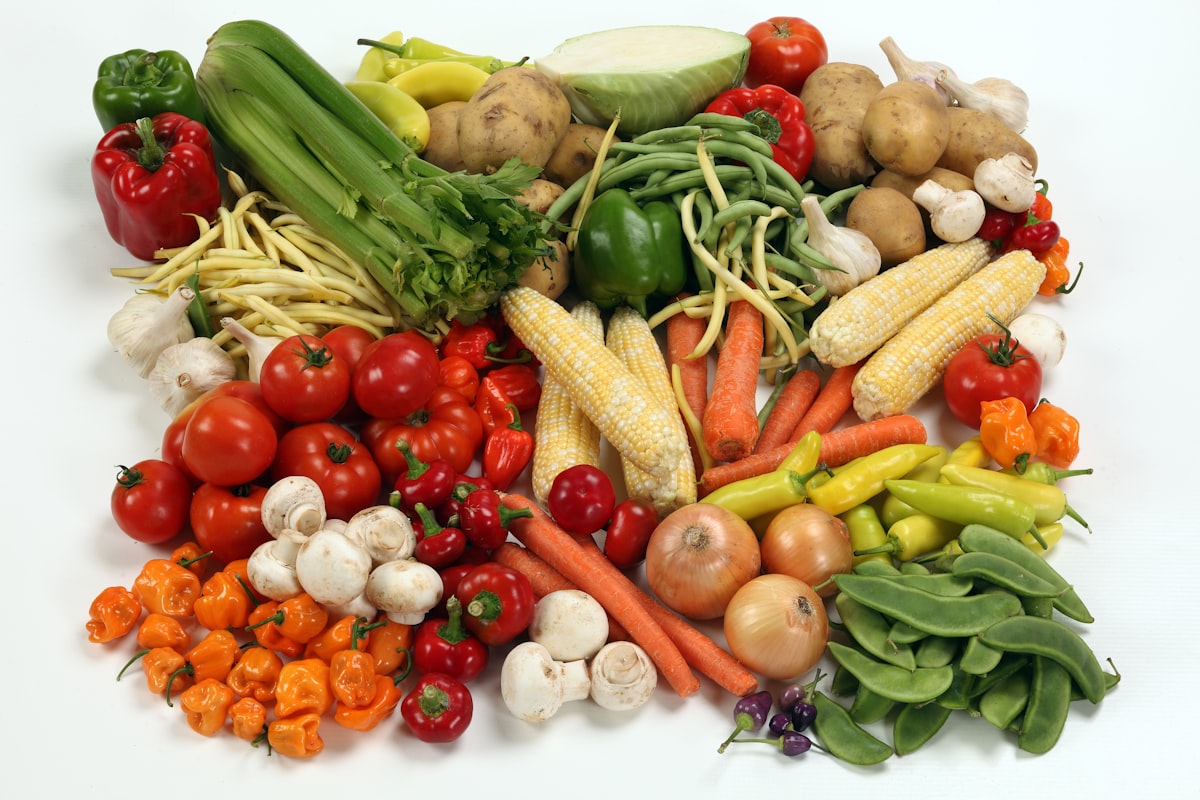
Essential Nutrient-Dense Foods for Men
A curated selection of foods rich in nutrients that support healthy hormone production and function.

Fatty Fish
Salmon, mackerel, and sardines provide omega-3 fatty acids essential for hormone receptor function and anti-inflammatory benefits.
Eggs
Complete protein with choline and lutein. The yolk contains cholesterol, a precursor for testosterone synthesis.

Cruciferous Vegetables
Broccoli, Brussels sprouts, and cabbage contain compounds that support healthy estrogen metabolism and detoxification.

Nuts & Seeds
Pumpkin seeds, Brazil nuts, and almonds are rich in zinc, magnesium, and selenium—critical for testosterone production.

Whole Grains
Oats, brown rice, and quinoa provide B vitamins for energy production and fiber for blood sugar stability.

Berries & Antioxidants
Blueberries, pomegranate, and dark chocolate reduce inflammation and oxidative stress, protecting hormone receptors.
Your 4-Week Hormonal Reset Journey
A structured editorial guide to implementing dietary changes that support hormonal balance.
Assessment & Baseline
- Track current eating patterns
- Note energy and mood levels
- Identify nutritional gaps
- Plan nutrient-dense meals
Foundation Building
- Introduce omega-3 rich foods
- Add zinc sources daily
- Increase fiber intake gradually
- Stabilize blood sugar patterns
Optimization Phase
- Fine-tune macronutrient ratios
- Include anti-inflammatory foods
- Monitor energy and recovery
- Adjust portion sizes as needed
Consistency & Results
- Establish sustainable habits
- Reassess energy and mood
- Plan long-term nutrition strategy
- Document progress markers
Note: This is an editorial framework for understanding dietary approaches. Individual responses vary based on genetics, lifestyle, and overall health status. We recommend consulting with qualified professionals before making significant dietary changes.
Common Questions About Diet and Hormonal Health
Explore frequently asked questions from our editorial content on nutrition and male hormonal function.
Most people notice changes in energy, mood, and sleep quality within 1-2 weeks of dietary adjustments. More significant hormonal shifts typically appear over 4-8 weeks as the body adapts to improved nutrition and reduced inflammation. Individual timelines vary based on baseline diet quality, stress levels, sleep habits, and genetic factors.
Yes, though plant-based diets require more strategic planning. Key nutrients to prioritize include zinc (legumes, seeds, nuts), omega-3s (flax, chia, walnuts), B12 (fortified foods, supplements), iron (leafy greens, legumes), and magnesium (nuts, seeds, whole grains). Combining foods properly enhances nutrient absorption—for example, pairing plant iron with vitamin C sources improves bioavailability.
Macronutrient composition significantly influences hormonal signaling. Adequate protein (1.6-2.0g per kg body weight) supports hormone synthesis. Healthy fats (particularly from omega-3s) enable hormone receptor function and reduce inflammation. Carbohydrates maintain stable blood sugar and support neurotransmitter production. An imbalanced macronutrient ratio—especially excess refined carbs or insufficient fat—can dysregulate cortisol and insulin.
Alcohol impairs liver function, which is crucial for hormone metabolism and detoxification. Regular consumption can suppress testosterone production, increase cortisol, and interfere with nutrient absorption. Moderate consumption (if at all) is recommended—reducing or eliminating alcohol often shows measurable improvements in energy, recovery, and hormonal markers within weeks.
A whole-food-first approach is ideal, as whole foods provide nutrients in naturally occurring forms with cofactors that enhance absorption. However, supplements can address specific gaps—particularly magnesium, zinc, vitamin D (if sun exposure is limited), and omega-3s (if fish consumption is minimal). We recommend consulting with a nutrition professional to assess individual needs rather than taking supplements indiscriminately.
Real Experiences from Our Community
Men across Indonesia share their personal journeys with nutrition-based hormonal support.
"
After reading the articles on Mentalfoodpro, I completely changed my approach to nutrition. I started incorporating more zinc-rich foods and noticed changes in my energy levels within three weeks. The information about whole-food sources versus supplements was eye-opening and helped me make smarter dietary decisions.
Budi Santoso
Jakarta
"
I appreciated how the editorial team explained the science without overselling results. The four-week framework helped me structure my diet properly. I started feeling better—better sleep, steadier energy throughout the day, and improved workout recovery. The content is honest and practical.
Rendra Wijaya
Bandung
"
The comprehensive breakdown of nutrient-dense foods and their specific roles in hormone function was exactly what I needed. I used the recommendations to design my meal plans around fish, nuts, and vegetables. My mood and focus improved significantly. Highly recommend for anyone wanting to understand nutrition's role in wellness.
Aditya Maulana
Surabaya
"
As someone who previously relied on supplements without understanding nutrition basics, this site was transformative. The FAQ section answered all my questions about macronutrient balance and timing. I've built sustainable eating habits that keep my energy consistent throughout the day. Worth every moment spent reading.
Ditto Prabowo
Medan
Stay Updated on Hormonal Health
Get the latest articles and research about nutrition and male wellness delivered to your inbox.
We respect your privacy. Unsubscribe at any time.
Frequently Asked Questions
Common questions about nutrition, hormonal health, and male wellness
Nutrition plays a crucial role in hormonal production and regulation. Certain nutrients like zinc, vitamin D, and healthy fats are essential for testosterone production and overall hormonal health. A balanced diet supports your endocrine system and helps maintain optimal hormone levels.
Most people notice initial improvements in energy and mood within 2-4 weeks of consistent dietary changes. More significant hormonal shifts and physical changes typically take 8-12 weeks. However, individual results vary based on starting point, consistency, and overall lifestyle factors.
Absolutely! Our approach is particularly beneficial for athletes and those with active lifestyles. Proper nutrition supports muscle recovery, hormonal optimization, and athletic performance. Many of our users combine Mentalfoodpro with their training regimens for enhanced results.
Yes, our nutritional approach works well alongside quality supplements. We focus on whole foods first, but understand that supplements can fill nutritional gaps. We recommend consulting with a healthcare provider before starting new supplements, especially if you have existing health conditions.
Our approach is flexible and adaptable to various dietary restrictions including vegan, keto, gluten-free, and allergy-specific needs. We provide alternative recommendations for all essential nutrients regardless of your dietary limitations, ensuring you can still achieve your hormonal and wellness goals.
Ready to Transform Your Health?
Join thousands of men who've reclaimed their vitality through proper nutrition and hormonal optimization. Start your journey with Mentalfoodpro today.
30-day money-back guarantee • No credit card required for free consultation
Mentalfoodpro
Elevating male wellness through evidence-based nutrition and hormonal optimization.
Resources
© 2024 Mentalfoodpro. All rights reserved. Empowering male wellness through nutrition.